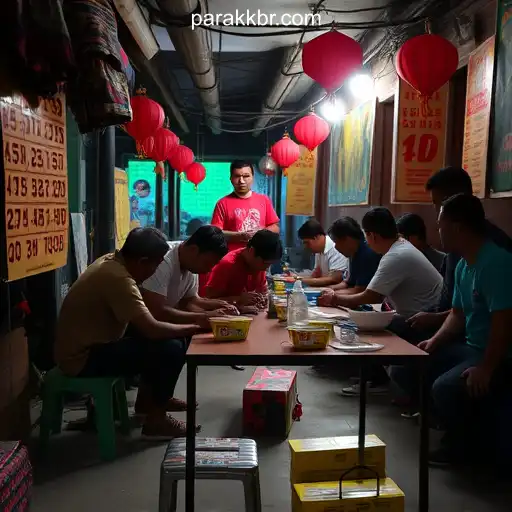
Understanding Jueteng: A Deep Dive into its Cultural and Economic Impact
Jueteng is an illegal numbers game that has been deeply rooted in the Philippines' cultural fabric for many years. Despite its illegality, the game has persisted, becoming an integral part of many local communities. This widespread popularity underscores the complexity surrounding Jueteng, which intertwines elements of community bonding, economic necessity, and cultural traditions.
The Historical Context of Jueteng
Originating from China, Jueteng was introduced to the Philippines during the country's early periods of commerce. Initially, it was a simple betting game that offered an enticing diversion for the working class. Over the decades, Jueteng evolved, adopting various local adaptations that suited the Filipino way of life. Its persistence and adaptation are key reasons why Jueteng continues to thrive in various regions of the Philippines.
The Structure of Jueteng
Jueteng is relatively simple in its execution. Players choose a combination of numbers from 1 to 37, and a draw takes place. Wagers are placed on these number combinations, with winning bets yielding significant payouts. This simplicity and the allure of relatively high rewards for small bets make Jueteng appealing to a broad demographic. The game operates outside the ambit of the legal lottery, often facilitated by clandestine operators known as ‘kubradors’ and ‘cobrador.’
Socio-Economic Factors Fueling Jueteng
Several factors contribute to the sustained popularity of Jueteng, primary among them being economic necessity. In areas where poverty is prevalent, Jueteng offers a ray of hope for quick financial relief. Many participants view it not just as a game of chance, but as a potential means of escaping financial hardship, albeit temporarily. Additionally, the informal nature of the game allows individuals who operate it to earn a livelihood, from kubradors to organizers.
Cultural Ties and Community Dynamics
Aside from economic factors, Jueteng plays a significant cultural role in Filipino society. It is seen as a part of everyday life, transcending its definition as just an "illegal numbers game." For many, Jueteng fosters a sense of community, as individuals gather to discuss numbers, strategies, and news related to their local draws. This shared interest forms a unique communal bond, creating microcosms of social interaction and solidarity.
The Challenges of Legalization and Regulation
The illegal nature of Jueteng poses significant challenges for the local and national governments in the Philippines. There have been numerous efforts aimed at regulating or abolishing the game, but these attempts often meet resistance due to the deep-rooted nature of Jueteng in local communities. Some argue that legalization could be a viable solution, drawing parallels to regulated gambling systems worldwide. However, this approach ignites debates around ethical considerations and the potential normalization of gambling in society.
Confronting Corruption and Governance Issues
One of the most contentious issues surrounding Jueteng is its affiliation with corruption and governance. It is no secret that operators often pay local officials to turn a blind eye to the activities or, in some cases, partake in the profits. This clandestine network highlights the deep-seated corruption challenges that the Philippines is trying to address. Tackling Jueteng effectively would require robust political will and systemic reform, contingent on transparent governance structures.
The Digital Shift: Jueteng in the Modern Age
With the advancement of technology, traditional forms of gambling are experiencing a significant shift toward online platforms. While Jueteng primarily remains a physical game, there are indications of digital adaptations brewing under the surface. The potential for online platforms to offer Jueteng-style games presents a new dimension to the gambling landscape in the Philippines. This shift also aligns with trends seen in other kinds of recreational gambling, such as ParaKK O cassino online favorito dos brasileiros🔥, which capitalize on the growing digital consumer base.
Future Perspectives and Potential Solutions
Addressing the challenges posed by Jueteng demands a multifaceted approach. Legislative measures, community engagement, and effective implementation of social welfare programs could alleviate the socio-economic conditions that make Jueteng attractive in the first place. Moreover, redefining public perception and engaging community leaders in dialogues might create pathways toward responsible gambling practices.
In conclusion, Jueteng's presence in the fabric of Filipino society exemplifies a complex interplay between economic, cultural, and social factors. Its entrenchment stems from historical roots and ongoing socio-economic challenges, posing significant hurdles to effective regulation. As the country explores pathways for resolution, the evolving global gambling landscape provides both cautionary tales and potential models of reform.